

When Should Businesses Schedule Garbage Collection Services?
Managing commercial waste efficiently is a fundamental requirement for maintaining clean, safe, and professional business premises across any industry. Whether operating a busy retail storefront, a bustling restaurant, an industrial warehouse, or a corporate office complex, waste management directly affects daily operations, environmental compliance, and public perception. Establishing a proper schedule for trash removal keeps facilities orderly, prevents environmental hazards, and supports seamless workflow. However, many business owners struggle to determine the ideal frequency for commercial pickup routines. Scheduling trash pickup too infrequently can lead to overflowing dumpsters and severe pest issues, while improper scheduling can disrupt daily site operations and create unnecessary safety risks for employees and customers alike.
Determining the right timing for commercial waste removal involves analyzing several key operational factors, including waste volume, seasonal demand spikes, material types, and local regulatory requirements. Selecting professional garbage collection services tailored to your specific operational schedule ensures that your waste containers remain manageable and fully compliant with local health standards. By understanding the key signs and operational triggers that signal the need for scheduled pickups, commercial managers can create an efficient, long-term waste disposal strategy.
When Daily Waste Output Overflows Storage Areas
The most immediate indicator that a commercial facility requires scheduled waste removal is consistent container overflow during routine operations. When trash containers, dumpsters, or compactors routinely exceed maximum capacity before the next scheduled pickup, overflowing material creates severe environmental hazards and negative visual impressions. Piles of loose refuse stacked beside exterior dumpsters attract rodents, insects, and stray animals, while creating tripping hazards for employees and visiting clients. Evaluating daily waste generation helps facility managers establish realistic pickup intervals that prevent container overflows and keep exterior property areas pristine, orderly, and fully accessible.
According to Environment America Research & Policy Center, the volume of plastic thrown away by Americans could pack AT&T Stadium, home of the Dallas Cowboys, every 15.5 hours, with that figure expanding annually. This massive output illustrates how quickly commercial and residential waste accumulates across modern supply chains. When interior trash cans fill up rapidly during operational hours, scheduling more frequent garbage collection services prevents backlogs that compromise workplace cleanliness and employee safety while keeping waste streams moving continuously through proper disposal channels.
When Preparing for Seasonal Shifts in Business Activity
Commercial enterprises frequently experience significant fluctuations in customer foot traffic, inventory stocking, and overall operational activity throughout the year. Retail stores often see massive increases in packaging waste, shipping cartons, and pallets during holiday shopping periods. Restaurants and hospitality venues experience surges during warmer months or local event seasons, leading to increased food waste and disposable product disposal. Failing to adjust disposal routines to accommodate these predictable volume spikes leads to rapid container congestion and operational bottlenecks that hinder staff productivity.
Facility managers should proactively evaluate historical sales and inventory trends to anticipate waste surges well before they occur. Scheduling supplementary waste removal pickups prior to peak operational seasons guarantees that your facility can handle incoming inventory and increased visitor traffic without clutter. Adjusting container servicing frequency ahead of busy periods prevents waste accumulation, allowing staff to focus on customer service and operational demands rather than managing overflowing trash bins in customer-facing areas, service corridors, or loading bays. Maintaining a clean, organized disposal area projects a strong image of professionalism to prospective clients and returning customers. Proper management during high-volume stretches eliminates safety violations caused by blocked exit routes or crowded walkways. This strategic approach transforms waste handling from a chaotic afterthought into a predictable, streamlined component of your business operations.
When Performing Major Commercial Renovations or Cleanouts
Facility upgrades, interior remodeling, tenant turnovers, and periodic deep-cleaning projects generate substantial volumes of non-routine waste materials. Construction materials, damaged drywall, old carpeting, broken fixtures, and outdated office furniture quickly overload standard commercial dumpsters. Attempting to force heavy construction debris into routine waste bins can damage equipment, breach capacity limits, and lead to municipal compliance violations or delayed project timelines that harm business productivity.
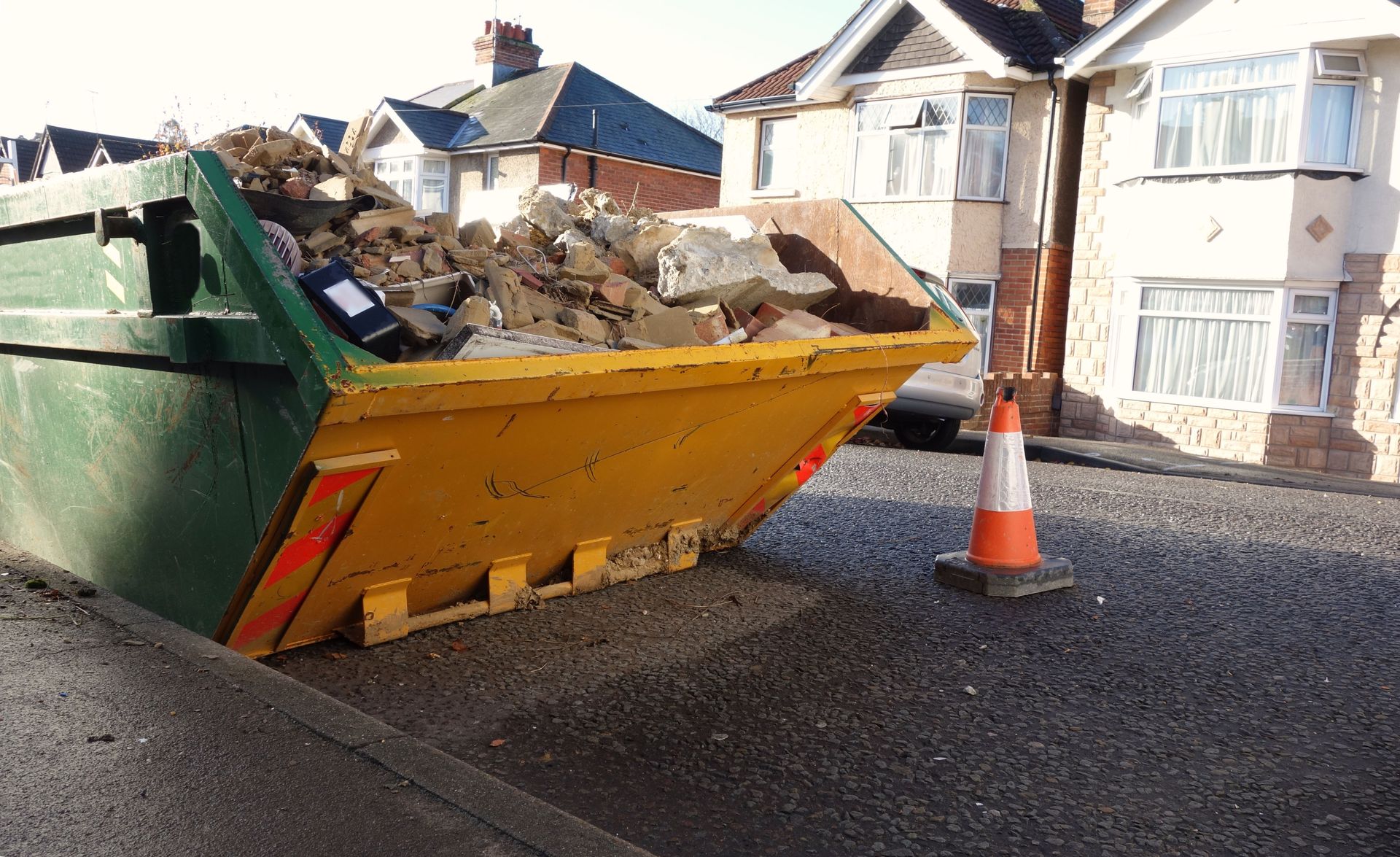
When planning facility renovations or extensive office cleanouts, businesses should schedule specialized garbage collection services designed to handle bulky materials and heavy loads. Coordinating dedicated roll-off containers or temporary high-capacity dumpsters ensures that construction debris is managed safely without interfering with daily operational waste disposal. Planning waste removal alongside construction schedules keeps work areas clear, reduces workplace injury risks, and accelerates overall project completion timelines for contractor teams and site workers.
When Local Health Regulations Demand Higher Frequency
Commercial properties operating in food service, healthcare, hospitality, and food processing must adhere to strict municipal sanitation standards and health department guidelines. Organic waste, food scraps, and perishable items decompose rapidly, generating pungent odors and creating ideal breeding environments for pests and harmful pathogens. Leaving organic matter in exterior containers for extended periods can result in severe health code violations, unexpected penalties, or forced operational closures that damage business reputation.
Establishing regular disposal schedules ensures compliance with regional environmental standards and sanitation codes. Businesses handling perishable goods often require multi-weekly or daily pickups to maintain hygienic conditions around loading docks and alleyways. Scheduling professional garbage collection services keeps food handling areas sanitary, protects brand reputation, and eliminates unpleasant odors that could alienate customers or nearby commercial tenants who share exterior facility spaces.
When Environmental Safety Standards Require Immediate Action
Certain commercial operations generate waste materials that demand immediate removal to maintain workplace safety standards and industrial compliance. Manufacturing plants, auto repair facilities, and industrial processing centers often produce shop towels, packaging materials, and non-hazardous industrial scraps that accumulate quickly during active shifts. Allowing combustible packaging, loose cardboard, or oily debris to linger on site poses significant fire hazards and violates workplace safety protocols.
Establishing prompt disposal intervals minimizes safety hazards and keeps processing floors clear of physical obstruction. Timely waste removal improves facility mobility, allowing forklifts and personnel to navigate storage areas safely. Incorporating dependable garbage collection services tailored to industrial production cycles ensures that material waste is handled efficiently, protecting staff members and maintaining seamless operational workflows across manufacturing environments and distribution warehouses.
When Implementing Comprehensive Site Recycling Programs
Modern commercial operations increasingly prioritize sustainability by separating recyclable materials from general refuse streams. Cardboard, paperboard, scrap metals, plastics, and wooden pallets represent valuable materials that can be diverted from landfills through structured recycling initiatives. However, collecting recyclables requires dedicated container management and distinct collection timelines to prevent cross-contamination across waste streams.
To maintain clean material streams, businesses should coordinate routine pickup schedules for dedicated recycling bins alongside standard trash management. Coordinating regular garbage collection services alongside organized recycling removal ensures that sorting stations remain orderly and easy for employees to utilize. Establishing balanced collection schedules encourages employee participation in sustainability programs, reduces overall landfill impact, and promotes responsible corporate environmental practices across all business departments.
Determining the proper timing for commercial waste disposal is essential for maintaining clean, safe, and efficient business operations across any industry. By assessing daily waste output, anticipating seasonal volume changes, managing renovation debris, and adhering to local health regulations, commercial properties can establish a seamless disposal routine. Proactive scheduling prevents container overflows, eliminates pest risks, and keeps commercial facilities looking professional for clients, visitors, and employees alike.
If you are ready for dependable garbage collection services that keep your property clean, contact us at X-Cel Carting Inc today. We will help you establish an efficient waste disposal schedule tailored directly to your commercial operations.
Share On: